Save Money on Plumbing Repairs
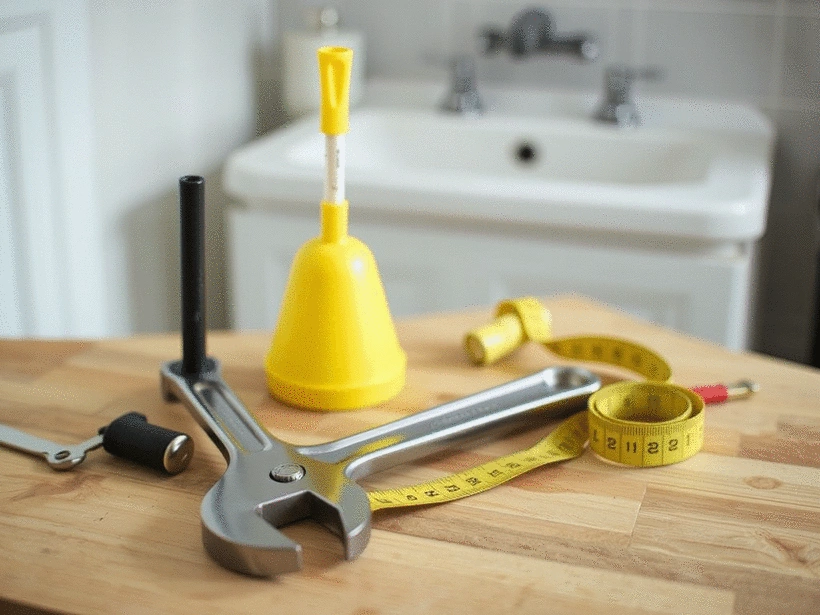
Understanding plumbing issues can save you from costly repairs down the line. Have you ever considered how simple fixes and preventive measures can dramatically reduce your maintenance expenses? Let's explore some practical strategies that empower homeowners to take control!
What You Will Learn
- Identify common plumbing problems like leaks and clogs early to prevent extensive damage.
- Utilize DIY techniques, such as using plumber's tape and natural solutions like baking soda and vinegar, to fix minor issues.
- Equip yourself with essential tools such as pipe wrenches and plungers to handle basic repairs effectively.
- Implement preventive maintenance tasks, like flushing your water heater and inspecting pipes for corrosion, to extend the lifespan of your plumbing system.
- Recognize signs that indicate when it's time to call a licensed plumber for complex issues.
- Understand the costs associated with professional plumbing services to budget effectively for repairs.
Plumbing Repair Cost Management Flow
This diagram illustrates the decision-making process for managing plumbing repairs, balancing DIY efforts with professional assistance to optimize cost and effectiveness.
1. Identify Issue Early
Leaks, clogs, unusual sounds. Check water spots, slow drains, or high bills.
2. Assess Severity
Minor drip vs. burst pipe. Can you safely turn off water?
3. Attempt DIY (Minor)
Use basic tools, tape, plungers. Watch tutorials, use baking soda/vinegar.
4. Call Professional (Complex)
Persistent issues, strange noises, water damage. Licensed plumbers for safety.
Strategies for Reducing Plumbing Repair Costs
We all know that plumbing issues can sneak up on us when we least expect it, often leading to costly repairs. But don't worry! At BigFunction Property Maintenance, we're here to help you navigate these challenges with practical strategies to reduce plumbing repair costs effectively.
Understanding common plumbing problems is the first step to making informed decisions about your home. Let’s dive into some solutions that can empower you to tackle these issues confidently!
Understanding Common Plumbing Problems and Solutions
Identifying Issues: Leaks, Clogs, and More
In the world of plumbing, leaks and clogs are the most common culprits of frustration. Knowing how to identify these issues early can save you from extensive damage later on. Look for signs like water spots on your walls or ceilings, slow-draining sinks, or unusual water bills which could indicate a leak or blockage.
- Check under sinks for dampness or pooling water.
- Inspect your toilets for running water or leaks around the base.
- Monitor your water pressure; low pressure can signal a hidden leak.
Taking these simple steps can help you catch problems before they escalate, saving you time and money!
DIY Plumbing Tips for Fixing Leaks Effectively
When it comes to leaks, a bit of DIY know-how can go a long way. For minor leaks, you might only need some plumber's tape and a wrench to fix the issue. Begin by turning off the water supply, then use the tape to seal threads on joints before reassembling.
Here are some quick tips:
- Always turn off the water before starting repairs.
- Use a bucket to catch any residual water.
- Watch online tutorials for step-by-step guidance.
By taking on these small repairs, not only do you save money, but you also gain valuable experience!
How to Unclog Drains Without Professional Help
Clogged drains can be a real headache! Fortunately, there are simple techniques to tackle this problem without calling in the pros. A mixture of baking soda and vinegar can often do the trick. Pour it down the drain, let it sit for a bit, and then flush with hot water.
- Use a plunger for stubborn clogs in sinks and toilets.
- A drain snake can help remove blockages deep within pipes.
- Regularly clean out hair and debris from drain covers to prevent buildup.
Staying proactive with your drains can save you from costly service calls down the line!
Essential Plumbing Tools for Effective DIY Repairs
To tackle plumbing repairs effectively, having the right tools is essential! A well-stocked toolbox will make your life easier when problems arise. Here are some must-have tools for DIY plumbing:
- Pipe wrench for gripping and turning pipes.
- Plumber’s tape for sealing threaded connections.
- Plunger for unclogging sinks and toilets.
- Adjustable wrench for various fittings and fixtures.
Equipping yourself with these tools means you’ll be ready to handle most common plumbing issues right away!
Preventive Maintenance to Save Money on Future Repairs
Preventive maintenance is your best friend when it comes to saving money on plumbing repairs. Taking proactive steps can significantly extend the lifespan of your plumbing system. Let’s explore some key maintenance tasks!
Key Plumbing Maintenance Tasks to Prevent Major Repairs
Staying on top of maintenance can prevent major plumbing disasters. Here are a few tasks you should incorporate into your routine:
- Inspect pipes for rust or corrosion.
- Flush your water heater annually to remove sediment buildup.
- Check your home's water pressure regularly.
- Maintain your sump pump and gutters to prevent flooding.
These simple checks can save you from costly emergencies later on!
Cost-Effective Tools and Materials for DIY Repairs
When it comes to buying tools and materials, you don’t have to break the bank. Opt for quality, cost-effective options that won’t let you down. Visit local hardware stores or check online marketplaces for deals!
- Look for discounts on plumbing supplies at local shops.
- Consider purchasing used tools in good condition.
- Join local community groups for recommendations on budget-friendly resources.
Being mindful of your purchases can help you manage costs effectively while still getting the job done right!
Water Heater Maintenance: Tips for Longevity and Efficiency
Your water heater is an essential part of your home, and keeping it well-maintained can prevent costly repairs. To optimize its performance, consider these tips:
- Regularly check the temperature setting; it should be around 120°F.
- Inspect for leaks around the tank and valves.
- Flush the tank periodically to remove sediment.
By following these maintenance steps, you can improve efficiency and extend the lifespan of your unit!
When to Rely on Professional Help
While DIY repairs are great for minor issues, there are times when calling a professional is the best route. Understanding when to make that call can save you a lot of hassle!
Signs of Complex Plumbing Problems That Require a Pro
Some plumbing issues are best left to the experts. Watch out for these signs:
- Frequent backups or clogs despite your best efforts.
- Unusual sounds coming from your pipes.
- Water damage or mold around plumbing fixtures.
If you notice any of these signs, don’t hesitate to reach out to a licensed plumber for assistance!
The Importance of Hiring Licensed Plumbers for Safety and Compliance
Hiring licensed plumbers ensures that your repairs are done safely and comply with local regulations. This not only protects your home but also gives you peace of mind knowing that the job is done right.
Here are a few reasons to choose licensed professionals:
- They are trained to handle complex plumbing systems.
- They have insurance to cover potential damages.
- They offer warranties on their work, ensuring quality.
Investing in a qualified plumber is an investment in your home's safety!
Understanding Plumbing Costs: What to Expect from Professional Services
Understanding the costs associated with plumbing services can help you budget effectively. Most plumbers charge by the hour, so knowing what to expect can alleviate surprises.
- Standard hourly rates can vary based on location and expertise.
- Additional costs may include parts and emergency call-out fees.
- Requesting estimates before work begins can help you stay within budget.
Being informed about these costs can help you make better decisions for your plumbing needs!
Weighing the Long-Term Costs of DIY vs. Professional Repairs
Choosing between DIY repairs and hiring a professional often comes down to evaluating long-term costs. Let’s break this down!
Understanding the Risks of DIY Mistakes
While DIY can save money initially, mistakes can lead to bigger problems down the line. Poorly done repairs can escalate and end up costing more than hiring a professional in the first place.
For more detailed insights on managing these expenses and potentially accessing assistance programs, you can refer to resources like the Alliance for Water Efficiency's program on improving water affordability, which aims to provide assistance for plumbing repairs and efficiency.
- Incorrect repairs can cause water damage to your property.
- Mistakes may void warranties on appliances or fixtures.
- In some cases, DIY repairs may create safety hazards.
Weighing these risks is crucial in your decision-making process!
Evaluating the Benefits of Professional Expertise
On the flip side, hiring professionals brings expertise and efficiency. They can identify underlying problems quickly, preventing future issues from arising. For general guidance on maintaining your home and understanding when professional help is necessary, the USA.gov guide to home repairs offers valuable information.
- Pros have the right tools and techniques for effective repairs.
- They provide warranties and guarantees, protecting your investment.
- Professionals can offer valuable advice on maintenance.
In many cases, the peace of mind that comes from hiring a professional is worth the investment!
Plumbing Insurance: Is It Worth the Investment?
Finally, consider plumbing insurance as a protective measure for your home. While it may seem like an added expense, it can save you a significant amount in case of major repairs. To learn more about initiatives that support plumbing repairs and efficiency, the Alliance for Water Efficiency also provides resources on improving water affordability through assistance programs.
- Insurance can cover unexpected plumbing emergencies.
- It provides access to licensed professionals without additional costs.
- Peace of mind knowing you’re protected against costly repairs.
When it comes to plumbing, having the right coverage can make all the difference!
Pro Tip
Did you know? Performing regular inspections on your plumbing can save you a significant amount in repair costs. Make it a habit to check for leaks, monitor your water pressure, and inspect your water heater at least once a year. The earlier you catch a problem, the easier and cheaper it is to fix!
Making Informed Decisions About Plumbing Repairs
As homeowners, navigating plumbing repairs can sometimes feel overwhelming. But with a bit of knowledge, you can make informed decisions that save you both time and money! At BigFunction Property Maintenance, we believe in empowering you with practical advice that helps you tackle plumbing issues effectively.
Summary of Key DIY Tips and Professional Services
Let’s recap the essential tips for managing plumbing repairs. Here’s a quick overview of cost-saving strategies and when it’s best to call in a professional:
- Identify issues: Regularly check for leaks and clogs to catch problems early.
- DIY fixes: Simple repairs like fixing leaks or unclogging drains can be tackled with basic tools.
- Know when to call a pro: If you're facing complex issues, don’t hesitate to seek help from a licensed plumber.
Remember, there’s no shame in reaching out for professional help when needed. It’s all about finding the right balance between DIY and expert services!
Quick Recap of Cost-Saving DIY Strategies
Here’s a quick recap of some effective DIY strategies to save on plumbing costs:
- Invest in essential tools like a plunger, plumber's tape, and an adjustable wrench.
- Learn to turn off the water supply before attempting any repairs.
- Use natural solutions like baking soda and vinegar for minor clogs.
These simple tactics can help you manage minor plumbing issues without incurring hefty repair bills. It’s about being proactive and knowing your limits!
When It's Smart to Call a Plumber
While DIY repairs can be beneficial, some situations absolutely require the expertise of a professional. Here are a few signs that it’s smart to call a plumber:
- Persistent leaks that don’t seem to improve with DIY fixes.
- Major clogs that you can't clear yourself.
- Unusual noises coming from your pipes or fixtures.
Recognizing these signs early can save you from larger issues down the line—don’t hesitate to make that call!
Plumbing Advice for Homeowners: Navigating Repairs Wisely
As you navigate plumbing repairs, keep these tips in mind:
- Always document any plumbing issues and attempts to fix them.
- Keep a list of trusted local plumbers handy for emergencies.
- Stay informed about your home’s plumbing system and its maintenance needs.
With the right knowledge and resources, you can become a savvy homeowner who makes informed choices about plumbing repairs!
Frequently Asked Questions About Plumbing Repair Costs
Here are some common questions homeowners have about managing plumbing repair costs:
- Q: What are the most common plumbing problems homeowners face?
- A: The most common issues include leaks (e.g., dripping faucets, running toilets) and clogs (e.g., slow drains, backed-up sinks). Early identification of these can prevent more extensive damage.
- Q: What basic tools should every homeowner have for minor plumbing repairs?
- A: Essential tools include a pipe wrench, plumber's tape, a plunger, and an adjustable wrench. These are useful for tackling minor leaks and clogs.
- Q: How can I unclog a drain without calling a professional?
- A: For minor clogs, a mixture of baking soda and vinegar can be effective. Pour it down the drain, let it sit, and then flush with hot water. A plunger or a drain snake can also help with stubborn blockages.
- Q: When should I definitely call a licensed plumber instead of attempting a DIY fix?
- A: You should call a professional for complex issues such as frequent backups, unusual pipe noises, significant water damage, or mold around fixtures. Licensed plumbers ensure safety, compliance, and offer warranties on their work.
- Q: What are some key preventive maintenance tasks to reduce long-term plumbing costs?
- A: Regular maintenance includes inspecting pipes for corrosion, flushing your water heater annually to remove sediment, checking water pressure, and maintaining sump pumps and gutters. These actions extend your plumbing system's lifespan and prevent major repairs.
Encouraging Smart Plumbing Choices for Homeowners
At BigFunction Property Maintenance, we’re dedicated to helping homeowners make smart plumbing choices. Balancing DIY projects with professional help is key to keeping your home in great shape.
Final Thoughts on Balancing DIY and Professional Help
It's all about striking the right balance! Embracing DIY repairs when you can is empowering, but knowing when to call a pro is just as important. The goal is to maintain your home efficiently and effectively—no matter which route you choose!
Interactive Tools: Cost Calculators and Checklists for Homeowners
To assist you in managing your plumbing needs, consider using interactive tools. Cost calculators can help you weigh the potential savings of DIY repairs versus hiring a professional, while checklists can keep you organized during maintenance tasks. These resources can simplify your decision-making process!
Plumbing Resources: Blogs and Videos for Ongoing Learning
For those who want to continually expand their plumbing knowledge, diving into blogs and instructional videos can be incredibly useful. Platforms like YouTube and home improvement blogs offer step-by-step guides that can empower you further in your DIY journey. Just remember, learning is a process, and every little bit helps!
Recap of Key Points
Here is a quick recap of the important points discussed in the article:
- Regularly check for leaks and clogs to identify plumbing issues early.
- Learn basic DIY fixes for minor plumbing problems, such as using plumber's tape and natural unclogging solutions.
- Equip yourself with essential plumbing tools like a pipe wrench, plunger, and adjustable wrench.
- Stay proactive with preventive maintenance to extend the lifespan of your plumbing system.
- Know when to call a professional plumber for complex issues to avoid costly mistakes.